Walk Away or Cash In: The Brutal Choice Facing Indie Devs After Their First Big Hit
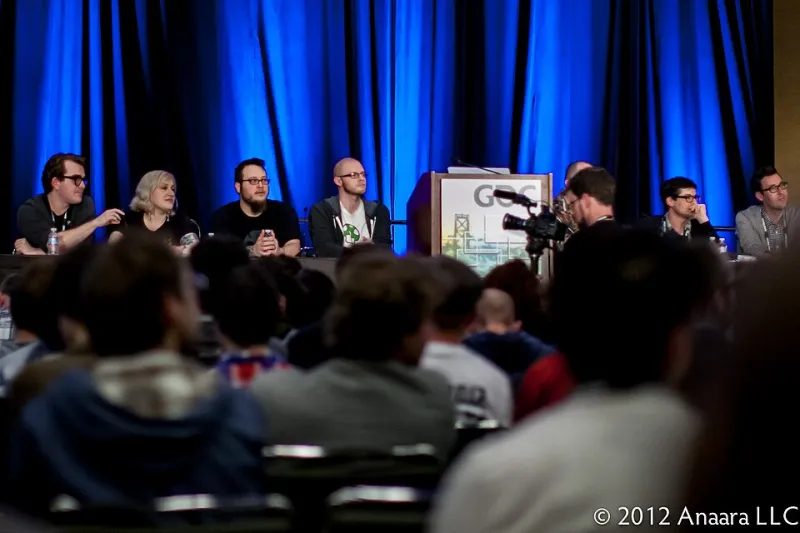
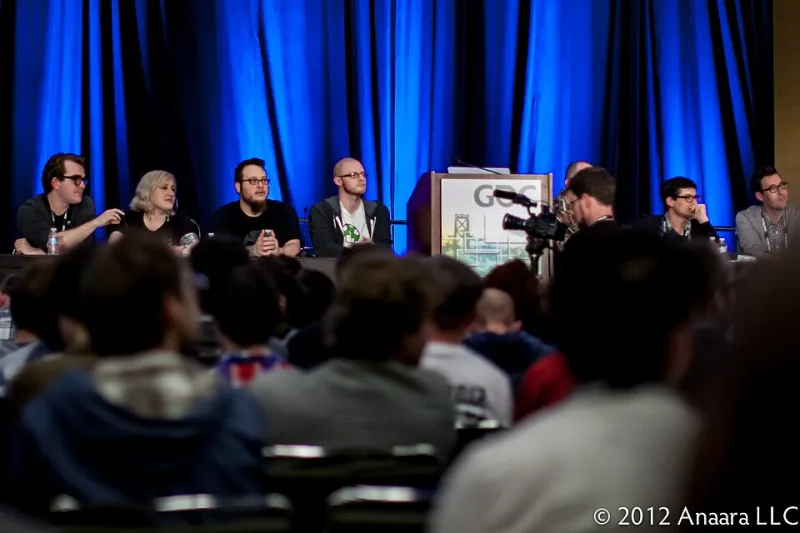
Photo: Fuad Kamal from USA, CC BY-SA 2.0, via Wikimedia Commons
There's a specific kind of pressure that only hits after you've already won. You spent years building something from nothing — a game that found its audience, got the Reddit threads, landed on a few "hidden gems" YouTube lists, maybe even cracked the Steam top sellers for a weekend. People loved it. And now everyone wants to know: when's the sequel coming?
For a lot of indie developers, that question isn't exciting. It's terrifying.
The indie space has always been defined by creative restlessness — the freedom to experiment, to fail, to pivot hard without a publisher breathing down your neck. But success complicates that freedom in ways nobody really talks about. The moment a game catches fire, developers suddenly have an audience with expectations. And those expectations, however well-meaning, can feel a whole lot like a cage.
The Trap Hidden Inside Every Breakout Hit
Here's the paradox: the thing that makes an indie game successful is often the thing that makes a sequel feel impossible. A small team pours everything they have — mechanically, emotionally, thematically — into a single vision. When it works, it works because it's complete. It said what it needed to say.
So what do you do with a sequel to a complete statement?
Some developers try anyway. They build on the world, expand the mechanics, add content that fans were asking for. Sometimes it works beautifully. But just as often, the follow-up lands with a kind of hollow thud — technically bigger, emotionally smaller. Fans feel it even if they can't name it. Review scores dip. The discourse turns awkward.
Other developers make a different call entirely. They shelve the IP, sometimes permanently, and start something completely new. From the outside, this looks like a strange business decision. From the inside, it's often described as survival.
"Continuing something just because it was successful felt like the fastest way to start hating it," one developer put it in a community forum post that quietly went viral a while back. "I needed the next thing to be mine again."
When 'More' Is Actually Less
The audience side of this equation is worth taking seriously, because fans aren't wrong to want more. When a game genuinely moves you, the hunger for another experience in that world is real and legitimate. That's not entitlement — that's what good art does. It makes you want to live in it longer.
But there's a difference between wanting more of a feeling and wanting more of a product. Indie games, at their best, deliver feelings that are deeply tied to specific creative choices — a particular art style, a specific tonal register, a mechanical idea that only works once. Sequels that chase the feeling by replicating the product often miss both.
This is something the bigger studios have never fully figured out either, honestly. How many beloved franchises have been sequeled into irrelevance by teams trying to bottle lightning a second time? The indie space just makes the tension more visible because the teams are smaller, the decisions more personal, and the creative stakes more exposed.
The Devs Who Doubled Down (And What Happened)
Not every story here ends in burnout or disappointment. There are indie developers who leaned into the sequel and made it work — not by copying the original, but by using it as a foundation to go somewhere genuinely new.
The key distinction seems to be intention. Developers who make sequels because they have something new to say tend to fare better than those who make sequels because the market said they should. That sounds obvious, but it's a harder line to hold than it looks when you're staring at your bank account and watching your old game's daily active users slowly tick down.
The developers who succeed with follow-ups are usually the ones who treat the sequel as its own creative problem, not a brand extension. They're willing to lose some of the original audience in exchange for the chance to find a new one. That's a gamble, but it's the kind of gamble that tends to produce something worth playing.
Starting Over as an Act of Integrity
Then there are the devs who walk away entirely. And honestly? Watching that choice from the outside, it's hard not to respect it — even when it's frustrating as a fan.
There's something very on-brand for the indie ethos about a developer who says, "That game is finished. It doesn't need more from me. Here's something different." It's the same impulse that drove them to make something experimental in the first place. The refusal to optimize for safety. The willingness to start at zero.
At Zero Radius Games, we've always been drawn to the edge of what games can be — the places where developers are pushing past the obvious move and trying something that might not work. Walking away from a successful franchise is, in its own strange way, one of those moves. It's experimental. It's uncomfortable. It doesn't guarantee anything.
And sometimes that's exactly what makes it interesting.
What This Tells Us About the Indie Space Right Now
The sequel problem isn't going away. If anything, it's getting more acute as the indie market gets more crowded and the pressure to build a recognizable brand gets louder. Discoverability is brutal on Steam right now. Having an established audience is genuinely valuable. The business case for sequels has never been stronger.
But the soul of indie development — the reason people make games outside the studio system in the first place — is fundamentally about not optimizing for the obvious. It's about making the thing you need to make, even when the market is pointing somewhere else.
The developers who navigate this best seem to be the ones who are honest with themselves about why they're making the next thing. Is it because there's more to explore? Or is it because it's easier than starting over?
That question doesn't have a universal right answer. But the fact that so many indie devs are asking it — and choosing the harder path anyway — says something worth paying attention to about what this corner of gaming actually values.
Sometimes the most radical thing you can do after a hit is refuse to repeat it.